
How to send money from Kenya to China
At a CNY sell rate of KES 19.42, a CNY 100,000 supplier invoice costs KES 1,942,000; each KES 0.10 rate difference changes the bill by KES 10,000.
4 min read
A plain-language look at how OnLink protects your money and your data — from where your funds are held to how we secure your account.
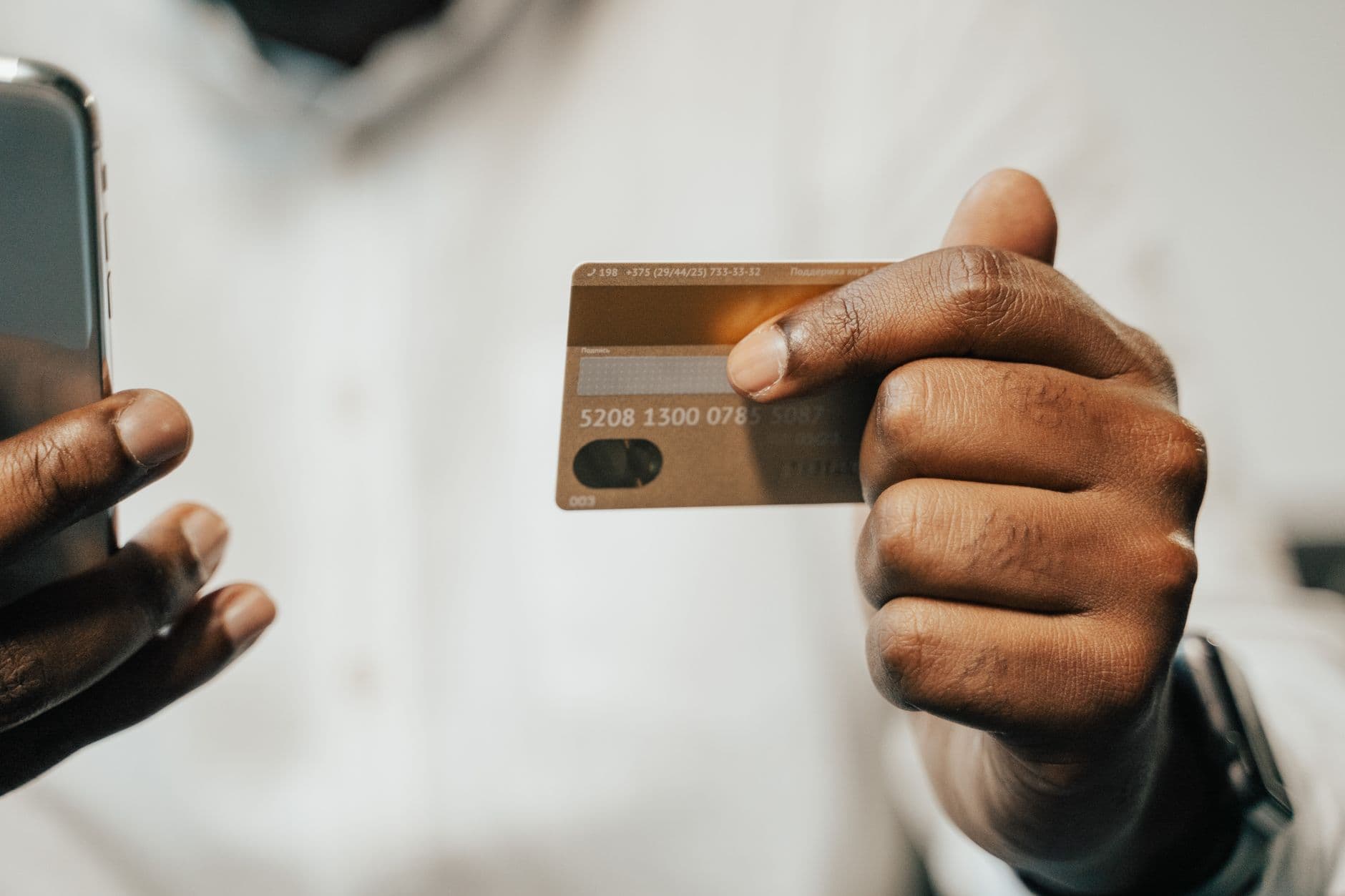
When you move money across borders, you are trusting someone with two things: your funds and your personal data. This article explains, in plain language, how OnLink protects both — and what you can do to keep your own account safe.
OnLink is not a bank. We partner with a licensed bank to hold customer funds and to move money. That partnership is central to how your money is kept safe.
Your funds are held with OnLink's licensed banking partner, not on OnLink's own balance sheet. That matters: it means your money sits with a regulated institution supervised by the Central Bank of Kenya, and it is kept separate from the money OnLink uses to run the business.
When you send money to Kenya, or convert between currencies, the transfer is executed through that regulated partner — so the same rules that apply to a bank transfer apply to yours.
Keeping your money safe starts with keeping your account safe. OnLink uses:
We never ask for your password or a one-time code by email, SMS or phone. If someone does, it is not us.
We collect the information we need to verify your identity (a regulatory requirement) and to move your money — and no more. Card numbers and other sensitive payment details are never written to our logs, and identity documents are handled under strict access controls.
A few habits make a big difference:
Your money is held with a regulated banking partner, your account is protected with strong authentication and encryption, and your data is collected sparingly and guarded carefully. Security is not a feature we bolt on — it is the reason the product exists.
Cover photo by Tima Miroshnichenko on Pexels.
Last updated 22 July 2026.
Editorial
The OnLink editorial team writes about money, payments and multicurrency banking for people and businesses moving money in and out of Kenya.
At a CNY sell rate of KES 19.42, a CNY 100,000 supplier invoice costs KES 1,942,000; each KES 0.10 rate difference changes the bill by KES 10,000.
Mercury’s current prohibited-country list does not include Kenya. At the 11 August rate, USD 3,867 covers a founder’s KES 500,000 local budget.
Learn how to compare USD to KES quotes using the exchange rate, explicit fees and final KES received—not the headline rate alone.

